
Event Production in Dubai and the People Behind the Stage
Learn who handles event production in Dubai and how production teams share responsibilities. Prepare a crew brief with rehearsal needs and supplier details.
21 Oct 2026
Event production in Dubai depends on agreed responsibilities for the live program, and the work crews must complete their tasks during venue access. The production manager schedules the build, while the show caller directs agreed cues during the live program. Technical specialists supply the expertise for their particular equipment. Your event brief should explain how the personnel will work together and who approves changes when the schedule shifts.
Large events can involve several employers on the same site, so job titles deserve a conversation alongside the supplier proposals. Two companies may use different titles for similar responsibilities. Ask who will supervise the work you require and who will attend the venue. Your discussion helps distinguish equipment hire from an operated production service.
The Production Manager Connects the Assignments
The production manager needs a view of the complete event schedule so suppliers can complete their work within the venue’s agreed access period. Truck arrivals affect installation time. Equipment tests require completed connections, while a rehearsal needs the relevant operators at their desks. The production manager resolves scheduling conflicts with the contractors involved.
Your brief can ask the proposed manager to explain how they would schedule a delayed delivery against the planned rehearsal period. Listen for an answer grounded in the actual venue arrangements. If an installation requires extra time, the manager should identify which later activity needs revision. Agree on who can authorize extra crew hours and how the revised plan reaches affected suppliers.
Technical Specialists Establish What the Program Requires
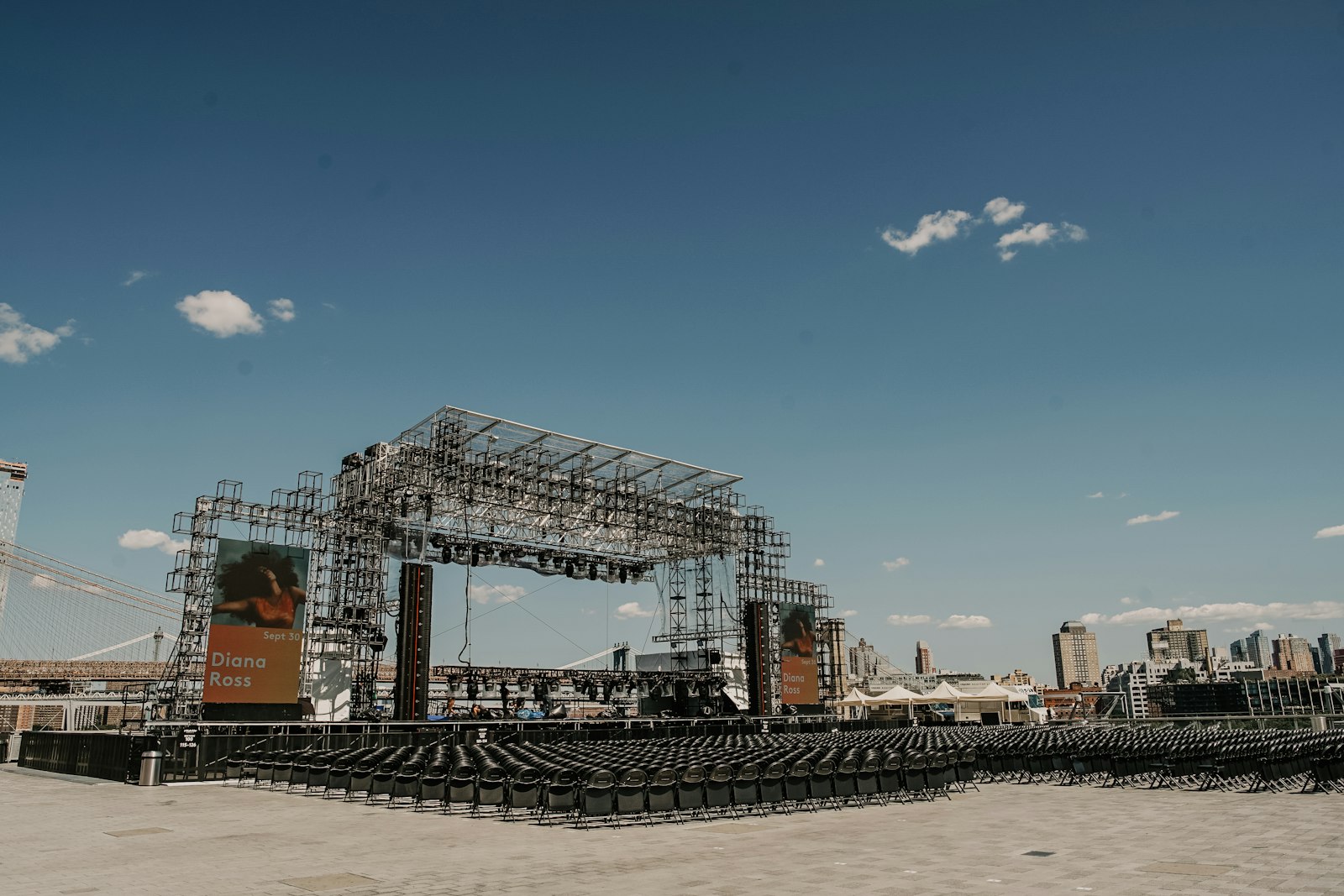
The technical lead examines the proposed program against the venue’s facilities and agrees on the equipment arrangements with the relevant specialists. Speech requirements start with the people who will speak and their locations. Video requirements start with the material guests need to see. Both discussions need to happen while the event team can still revise the proposed layout.
Sound engineers need rehearsal time with the performers so they can check the audio arrangements in the actual performance environment. Berklee’s live audio career guidance describes sound checks as a collaboration between the engineer and the band ahead of the show. Your audio proposal should identify the operator assigned to speeches. Performance audio may require a separate agreement concerning what the musicians hear on stage.
Screen operators need approved media files early enough to test playback on the event’s actual equipment and confirm the required cues. Your media contact should settle the file delivery deadline with the technical lead. Revisions need recognizable filenames so the operator can identify the approved version. Lighting staff need the stage layout and the agreed program to prepare their cues.
The Stage Manager Prepares People for Their Cues
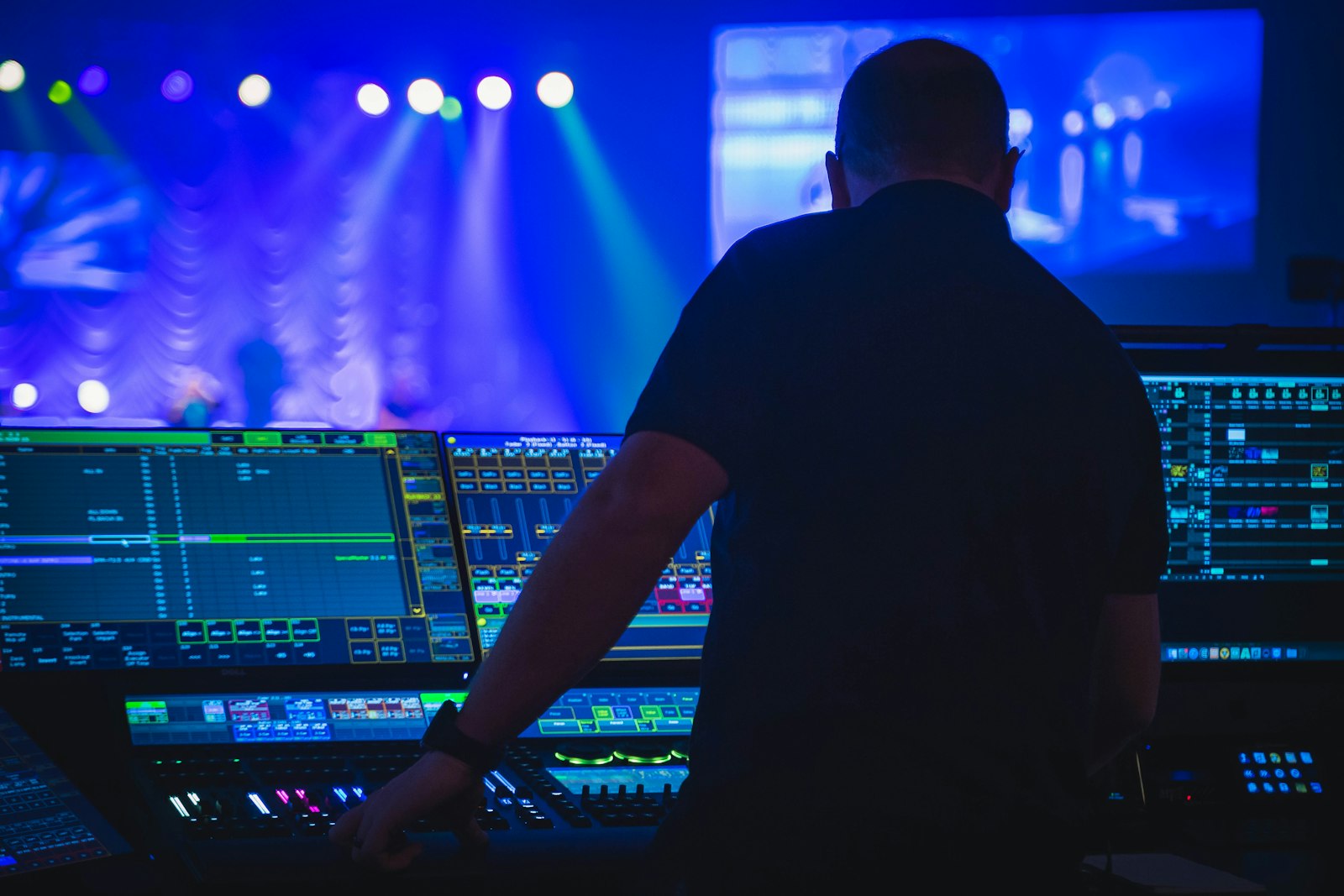
The stage manager coordinates activity near the stage so that a scheduled appearance has the necessary preparation and a known entry route. Berklee’s stage management description connects rehearsal records with technical cues during performances. Job boundaries vary between productions. Ask whether the proposed stage manager will call the show or work with a separate show caller.
Consider a hypothetical conference where a speaker follows a short film and then invites two colleagues onto the stage. The video operator needs an agreed playback instruction. Audio staff need to know which microphones are ready for the speakers. The guest staff needs a signal when the invited colleagues should approach the stage. Rehearsal lets the participants test the handoffs against the actual program.
Site Teams Make the Work Possible
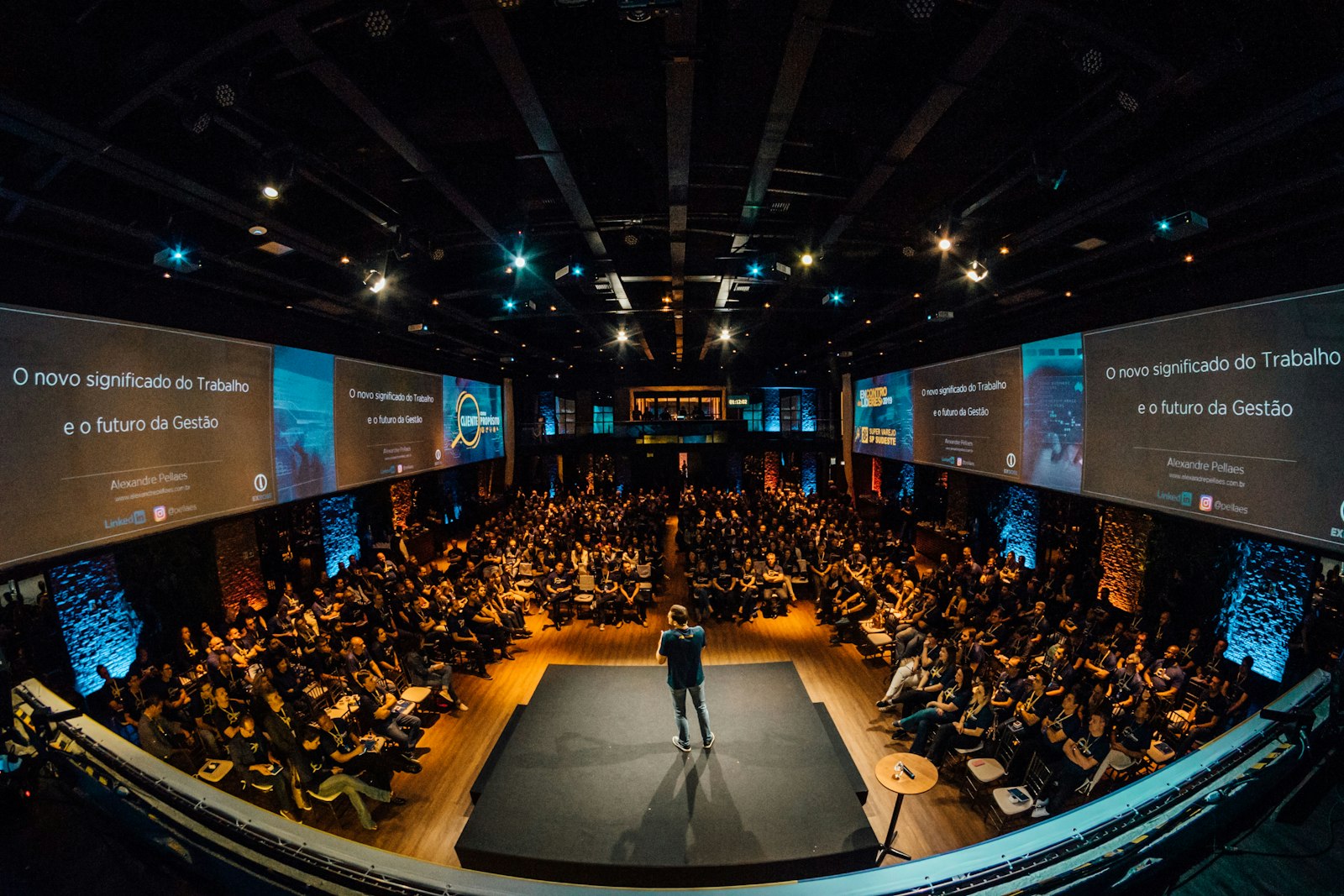
The site coordinator agrees on how suppliers will reach their work areas and when the venue can accept their deliveries during the build. Access routes need enough space for the proposed equipment. Crew instructions should specify where unloaded cases will remain during the event. Venue staff can confirm which routes must stay available for venue operations.
Qualified specialists should assess suspended equipment and electrical work against the venue’s current requirements for the proposed installation. Request the relevant documents through the appointed production lead. The venue should confirm its approval process and authorized contractors, where applicable. Installation decisions belong with competent professionals who have the actual design information and site conditions.
Safety supervision extends into removal work after guests depart, when several crews may need access to the same site area. The UK Health and Safety Executive’s event management guidance discusses coordination during installation and removal. It provides an international planning reference; Dubai’s applicable requirements need confirmation with the local authority and venue. Your organizer should assign responsibility for the site’s safety arrangements throughout the contracted access period.
The Organizer Confirms Dubai’s Approval Requirements
Dubai’s event permit guidance identifies business events among the activities requiring a permit and directs applicants to DET’s e-Permit portal. The page requests a venue permission document as part of the application. Your appointed organizer should confirm the requirements for the proposed event. Keep the conversation connected to the actual entertainment program and venue arrangements.
Permit coordination and technical production require different information, even when the same company manages both assignments for the client. The organizer needs the proposed activities to assess the application requirements. Technical teams need the approved plan to prepare their work. Ask who reviews a proposed program change and who communicates the resulting decision to suppliers.
Request People Alongside Equipment
Production proposals become easier to assess when the staffing description explains who will attend rehearsals and who will remain during the public program. Equipment delivery and an operated event package involve different assignments. The agreed-upon operator hours establish how long the crew will be available. Your comparison should account for installation time and the agreed removal period.
Useful evidence includes comparable project records where the supplier can explain its responsibilities and the personnel assigned to your event. The supplier can explain who handled technical decisions on the example project. Then confirm who would perform the work for your production. Supplier photographs can illustrate an installation, while a discussion concerning the actual assignment helps assess its relevance.
Prepare the Request through Someone’s Plan
Someone’s Plan’s event request process connects Event Owners and PRO Planners with relevant providers who decide whether to submit a bid. Choose the required service categories and describe the work you need. Provider proposals can state crew numbers alongside equipment arrangements. Read the details with the provider’s profile so the price has a specific assignment attached to it.
Your production brief should establish the proposed date and location, with separate details for the program’s technical requirements. Someone’s Plan provides the UAE event-request marketplace; the Event Owner or PRO Planner retains responsibility for the event. Use the published process guide to prepare your request. Then review the interested providers’ offers against the responsibilities your production requires.
 Instagram
 Youtube
 Facebook
 Linkedin
 Twitter